
Bird Sighting & Photography Tour

11 Nights / 12 Days

20 Locations
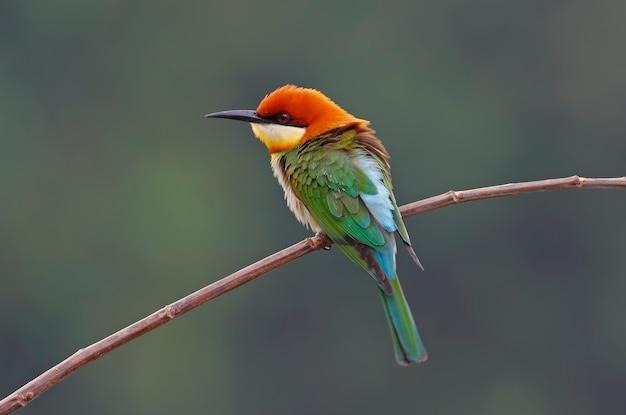
Sri Lanka — a compact tropical island blessed with habitats ranging from lush rainforests to mist-cloaked highlands and tranquil coastal lagoons — offers one of Asia’s most rewarding birdwatching and wildlife photography experiences.
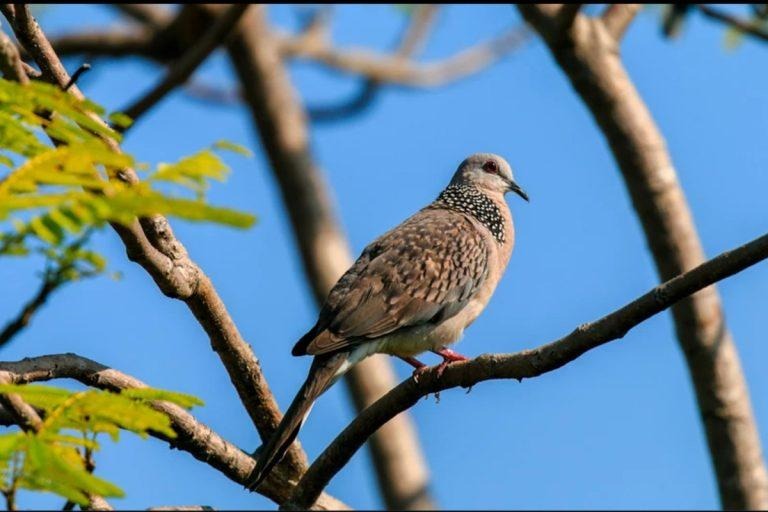
Home to over 430 recorded bird species, including 33 endemics found nowhere else on Earth, the island also welcomes thousands of migratory visitors between October and April. This immersive tour is specially curated for passionate birdwatchers and photographers seeking rare sightings, unique lighting conditions, and world-class imagery.
Guided by expert naturalists, you’ll explore Sri Lanka’s premier birding hotspots — Sinharaja, Udawalawe, Bundala, Yala, Horton Plains, and Kitulgala — each offering its own rhythm of light, landscape, and avian life.
Tour Highlights
- Capture 33 endemic birds and 400+ species across Sri Lanka’s key ecosystems.
- Visit six of the island’s most celebrated birding locations, from rainforest to wetlands.
- Enjoy early-morning and golden-hour excursions, ideal for professional photography.
- Be accompanied by expert birding naturalists and field photo guides.
- Travel in small, eco-friendly groups with an emphasis on conservation and ethical practices.
- Option to add Kumana National Park (Oct–Apr) for migratory waders, ducks, and flamingos.
Best Time to Visit & Further Reading
- October – April: Peak season for migratory waterbirds and mixed-species flocks.
- May – September: Ideal for highland endemics and forest birding in cooler weather.
- For a deeper look at Sri Lanka’s top birding regions, endemic species, and photography hotspots:
Read our Birdwatching Blog - Binoculars (8×42 or 10×42)
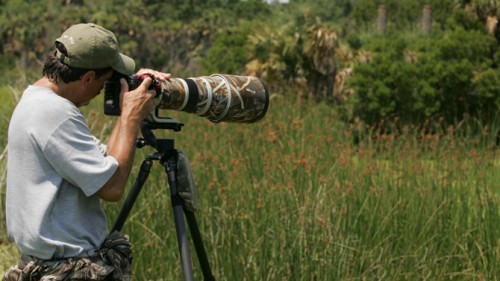
- Telephoto lens (minimum 300mm, 400–600mm ideal)
- Tripod or bean bag for stability
- Rain covers for you and camera equipment (essential in Sinharaja & Kitulgala)
- Leech socks / gaiters for rainforest treks
- Light, breathable clothing in neutral colours
- Hat, sunscreen, insect repellent, refillable water bottle
- Comfortable walking shoes / hiking sandals
Responsible Birding
Laksky Travels promotes ethical wildlife tourism:
- No playback calls or flash near nests.
- Small group sizes to minimize disturbance.
- Support for local guides and conservation initiatives.
What to Bring
- Binoculars (8×42 or 10×42)
- Telephoto lens (minimum 300mm, 400–600mm ideal)
- Tripod or bean bag for stability
- Rain covers for you and camera equipment (essential in Sinharaja & Kitulgala)
- Leech socks / gaiters for rainforest treks
- Light, breathable clothing in neutral colours
- Hat, sunscreen, insect repellent, refillable water bottle
- Comfortable walking shoes / hiking sandals
DAY 1
Arrival / Transfer to Sinharaja Rainforest
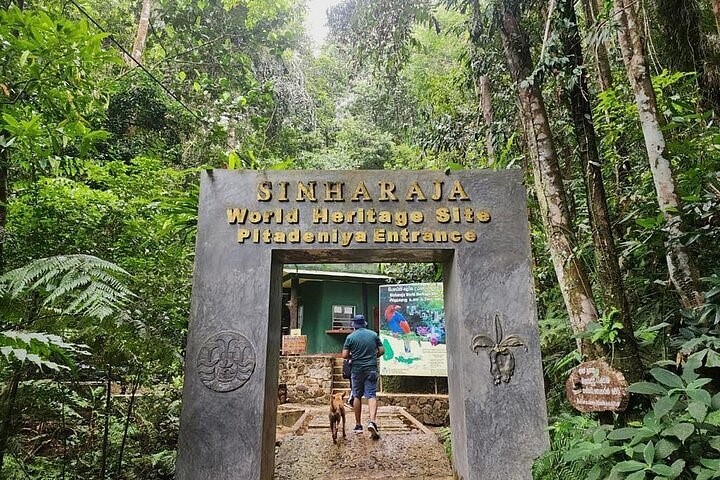
Arrive at Bandaranaike International Airport, where you’ll be met by your Laksky Travels representative. From here, enjoy a scenic 3-hour drive to Sinharaja, Sri Lanka’s last remaining primary lowland rainforest — a UNESCO World Heritage Site rich in biodiversity and birdlife.
Note: The day’s schedule will depend on your arrival time; activities may be adjusted accordingly to ensure a relaxed start to your tour.
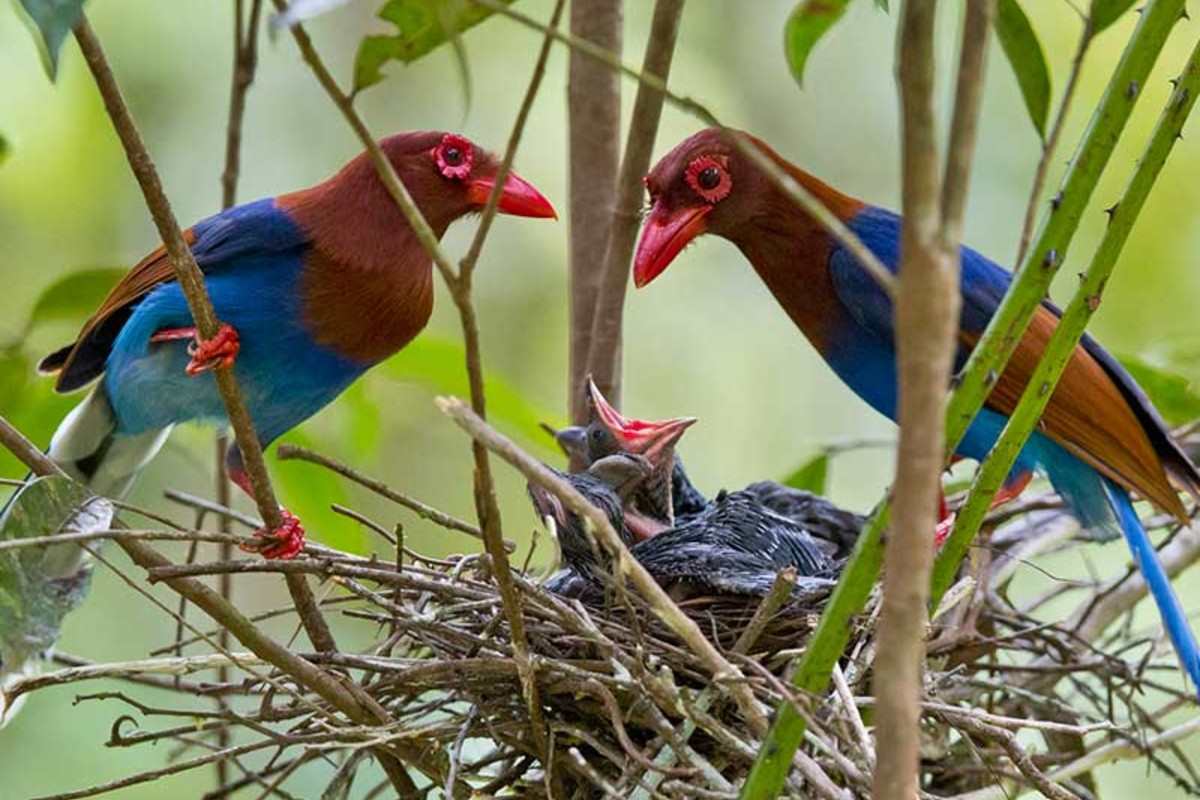
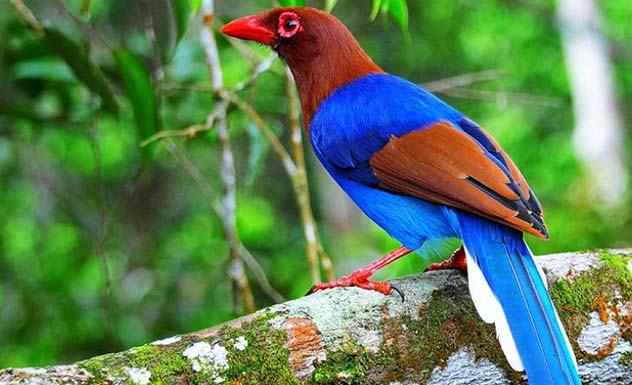
After check-in and lunch, set off on your first birdwatching walk through a nearby village bordering the forest. Expect an abundance of forest-edge and garden species such as sunbirds, flycatchers, barbets, woodpeckers, hornbills, and if you’re lucky, a glimpse of the Sri Lanka Blue Magpie or the elusive, Green-billed Coucal.
Afternoon light here is perfect for soft backlit shots along the forest trails — ideal for capturing natural textures and plumage detail.
Overnight stay: Sinharaja area
DAY 2
Sinharaja Rainforest (Full-Day Birding)
After an early breakfast, set out with a packed lunch for a full-day birdwatching expedition inside the Sinharaja Rainforest.
Your goal today is to spot some of Sri Lanka’s most sought-after endemic and rare species, including the Serendib Scops Owl, Red-faced Malkoha, Sri Lanka Spurfowl, and Ashy-headed Laughingthrush.
The forest’s renowned mixed-species feeding flocks — sometimes comprising over 20 species moving together — offer remarkable opportunities for both observation and photography under the rainforest’s soft, filtered light.
Recommended gear: 300–600 mm telephoto lens with rain cover; ISO 800–1600 for shooting in shaded canopy conditions.
Overnight stay: Sinharaja
DAY 3
Sinharaja / Transfer to Udawalawe
Begin the day with an early morning village walk along the rainforest edge to capture the lively morning bird activity. Look out for babblers, drongos, orioles, and leafbirds, often seen flitting among the treetops in the golden light.
Return to the lodge for breakfast and a short rest. After lunch, depart for Udawalawe — a scenic drive of approximately 3 hours, passing through rural landscapes and small farming villages.
The evening is at leisure — a perfect time to review and back up your photographs, recharge gear, and prepare for the next day’s safari.
Overnight stay: Udawalawe
DAY 4
Udawalawe & Debara Wewa Bird Sanctuaries
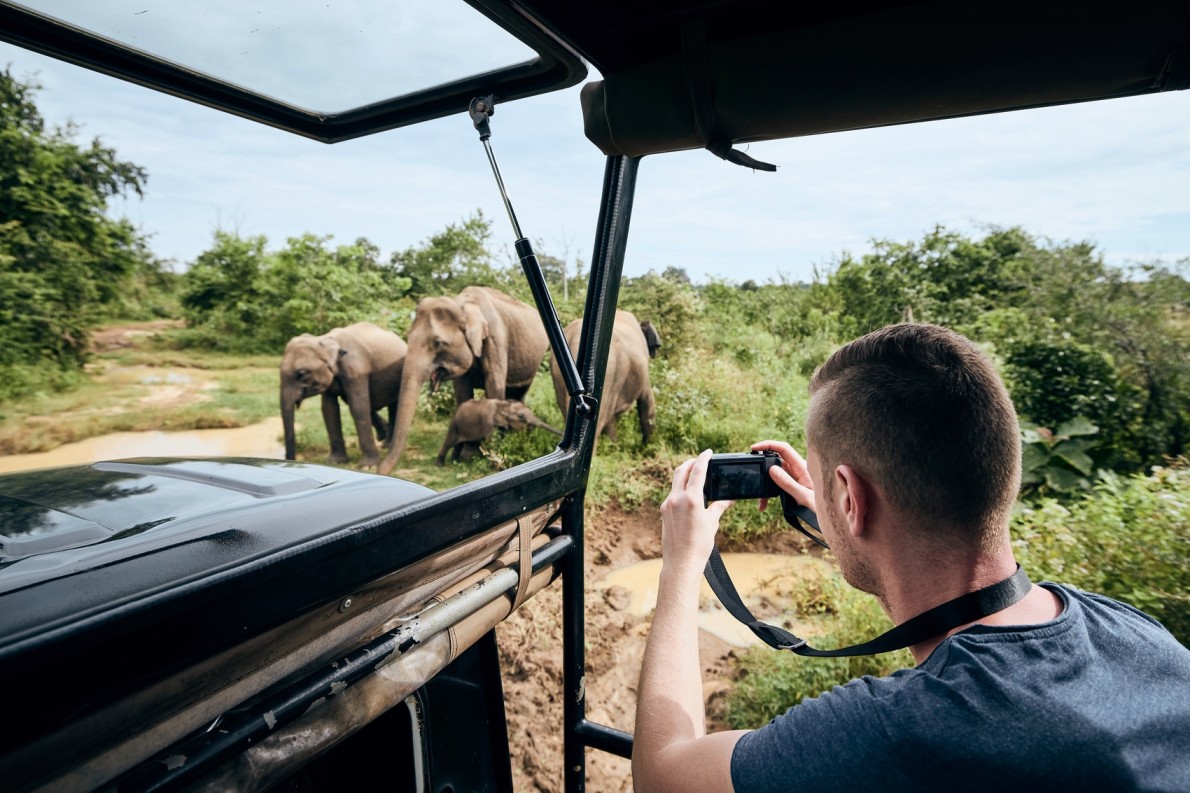
Begin your morning with a safari at Udawalawe National Park, renowned for its large herds of Asian elephants and excellent birding opportunities around the Udawalawe reservoir.
Expect to encounter water-associated species such as the Spot-billed Pelican, Oriental Darter, Lesser Adjutant Stork, and Grey-headed Fish Eagle.
In the afternoon, continue birding at Debara Wewa Lake, a serene sanctuary known for its open-water and wetland birds. Keep an eye out for Black-headed Ibis, Red-wattled Lapwing, Rosy Starlings, and a variety of egrets and kingfishers frequenting the shallows.
Soft evening light here is ideal for mirror-like water reflections and flight-silhouette shots.
Overnight stay: Tissamaharama
DAY 5
Bundala National Park – Wintering Ground for Migratory Waterbirds
After breakfast, depart with a packed lunch for a full-day birding safari at Bundala National Park, an internationally recognized wintering ground for migratory waterbirds.
Bundala’s biodiversity is remarkable — the park hosts over 383 plant species (including 6 endemics and 7 nationally threatened species) and 32 mammal species, 5 of which are classified as threatened.
For bird enthusiasts, Bundala is a true paradise. Its complex wetland ecosystem supports around 197 bird species, including a wide variety of resident and migratory waterfowl. In recognition of its ecological value, Bundala was declared Sri Lanka’s first Ramsar Wetland of International Importance — particularly for its role in conserving migratory birds.
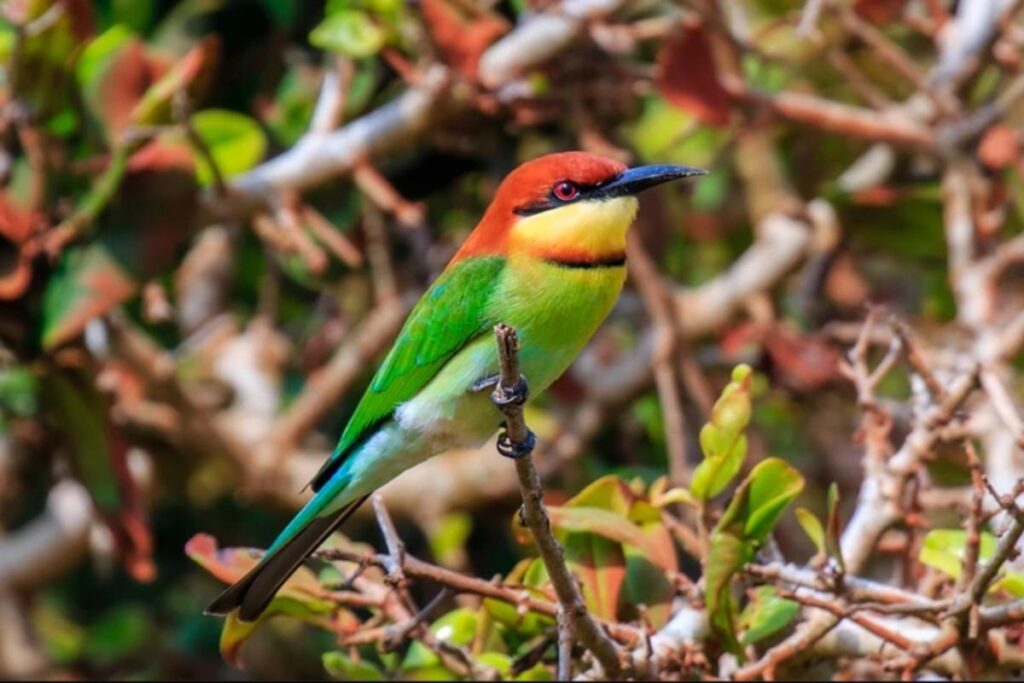
Common sightings include bee-eaters, storks, ibises, hornbills, spoonbills, sandpipers, kingfishers, and raptors such as the White-bellied Sea Eagle and Crested Serpent Eagle. More than 50 migrant species visit annually, and although Greater Flamingos once arrived in their thousands, smaller flocks can still be spotted during peak months.
Expect excellent photographic opportunities in the shimmering lagoons and salterns during the soft afternoon light.
Overnight stay: Tissamaharama / Bundala area
DAY 6
Lunugamvehera National Park (Yala National Park - Block V)
For the zealous birdwatcher and wildlife enthusiast, Yala remains an essential stop on any Sri Lankan nature itinerary. Spanning nearly 979 km², Yala National Park is a biodiversity hotspot, home to hundreds of species of flora and fauna — from majestic leopards and elephants to an incredible array of resident and migratory birds.
Start early with a packed breakfast and enter Yala Block V (Weheragala Entrance), also known as Lunugamvehera National Park. This lesser-visited section offers a more tranquil birding experience, where dense scrub jungle meets open plains and lakes teeming with avian life.
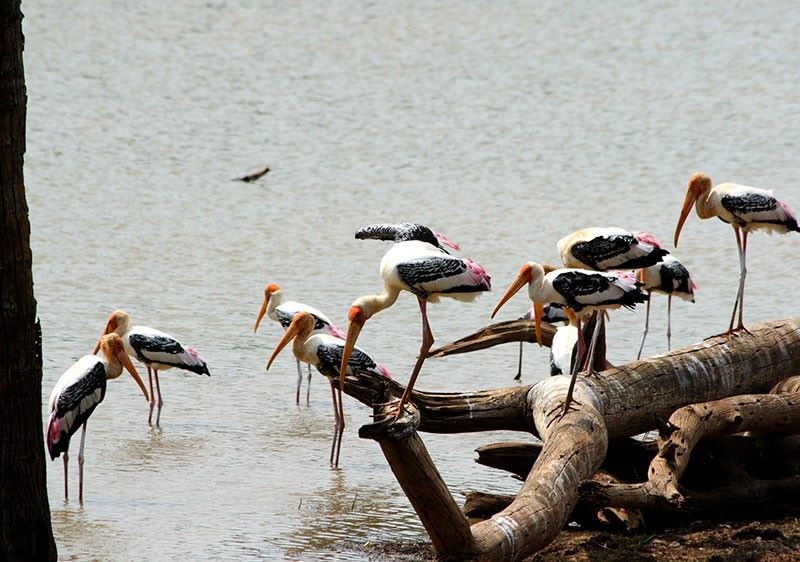
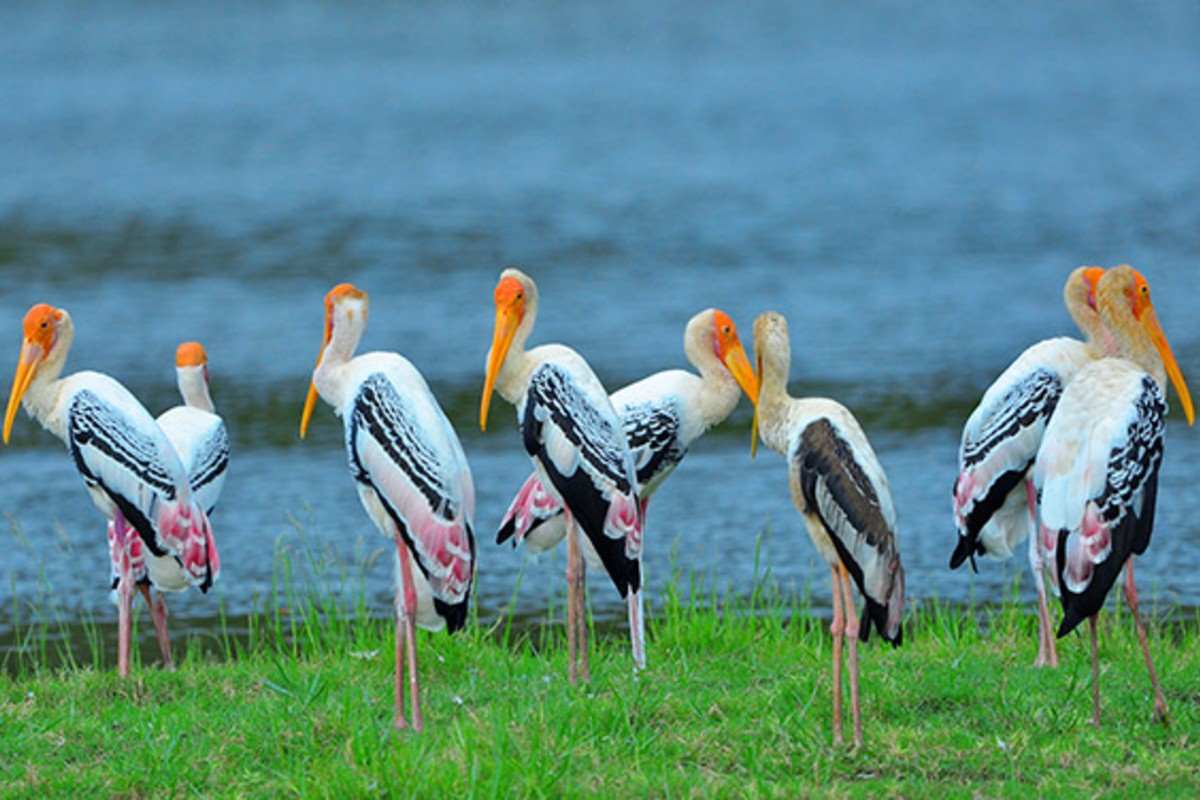
In the afternoon, continue your exploration through the Katagamuwa Entrance of Yala National Park. The park’s reservoirs and wetlands attract nearly 200 bird species, both endemic and migratory, making it a vital nesting and breeding ground throughout the year. Expect to encounter painted storks, grey herons, pelicans, darters, and possibly the elusive Black-necked Stork or White-bellied Sea Eagle.
Ideal for long-lens photography and capturing dynamic scenes of birds in flight over reflective water bodies.
Overnight stay: Yala / Tissamaharama
DAY 7
Yala National Park - Full Day Safari
After an early breakfast, set out for a full-day safari at Yala National Park through the Palatupana Entrance. The park’s diverse habitats — from thorny scrub and grasslands to freshwater lagoons and dunes — make it one of the island’s richest wildlife reserves.
Yala is recognized as one of Sri Lanka’s 70 Important Bird Areas (IBAs), and for good reason. Around 215 bird species have been recorded here, including seven endemics:
Sri Lanka Grey Hornbill (Ocyceros gingalensis), Black-capped Bulbul (Pycnonotus melanicterus), Sri Lanka Junglefowl (Gallus lafayettii), Crimson-fronted Barbet (Psilopogon rubricapillus), Blue-tailed Bee-eater (Merops philippinus), Sri Lanka Wood Pigeon (Columba torringtoniae), and Brown-capped Babbler (Pellorneum fuscocapillus).
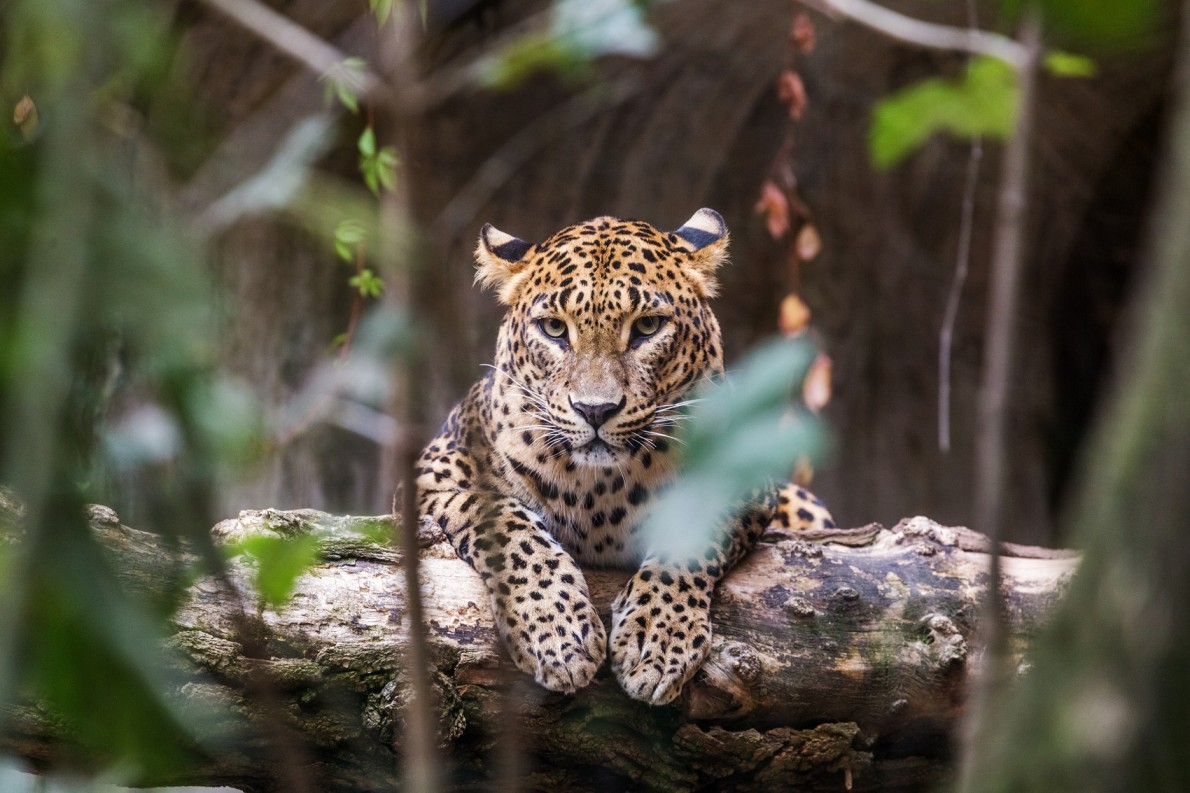
Beyond birds, Yala is also famed for having the highest density of leopards in Sri Lanka, offering excellent chances to photograph these elusive predators in natural light — a rewarding bonus for wildlife photographers.
During the northeast monsoon, Yala’s lagoons transform into havens for migratory waterfowl, attracting species such as the Northern Pintail (Anas acuta), Eurasian Curlew (Numenius arquata), and Ruddy Turnstone (Arenaria interpres) — a remarkable spectacle for visiting birders.
Expect varied lighting throughout the day — ideal for both action shots and reflective water compositions.
Overnight stay: Yala / Tissamaharama
DAY 8
Nuwara Eliya & Victoria Park Birding
After breakfast, drive to Nuwara Eliya — a scenic 4-hour journey ascending into Sri Lanka’s cool central highlands, with winding roads, tea-clad hills, and mist-draped valleys.
Enjoy lunch at a local restaurant upon arrival before proceeding to your hotel for check-in and a short rest.
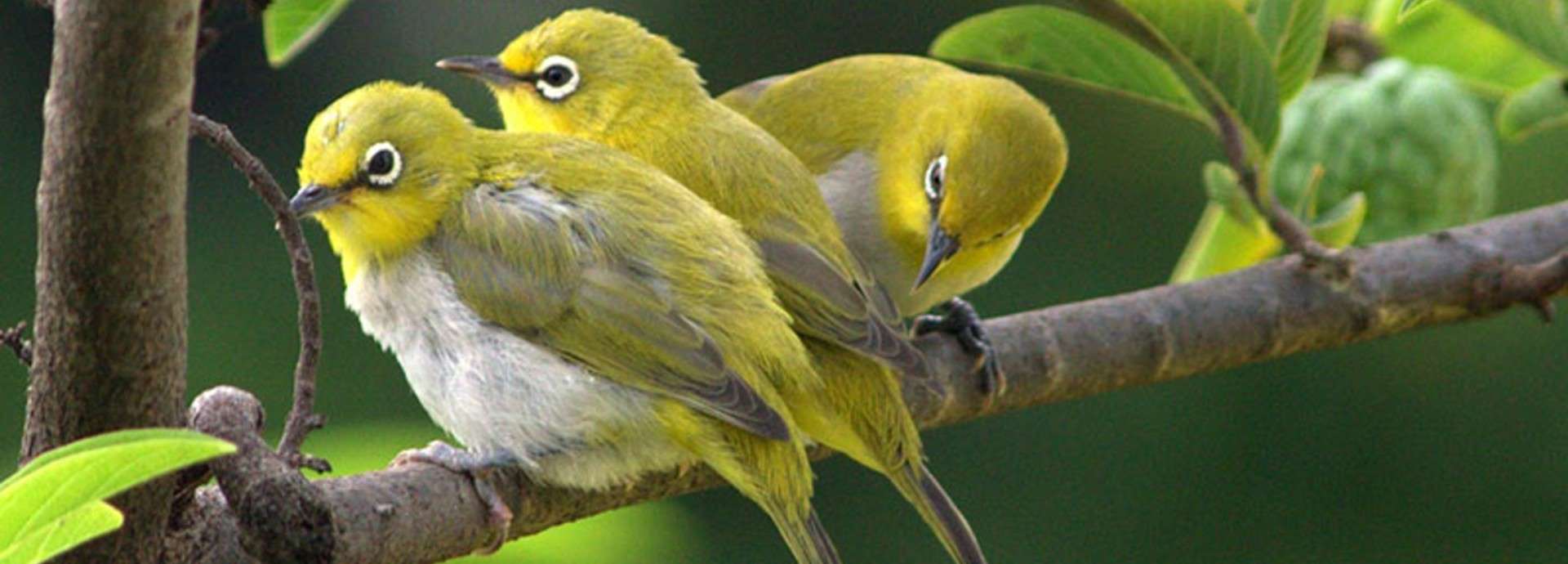
In the afternoon, head to Victoria Park, a charming urban sanctuary in the heart of Nuwara Eliya, ideal for highland birding. Look for endemic and resident species such as the Yellow-eared Bulbul, Sri Lanka White-eye, Velvet Nuthatch, and Pied Thrush.
During the winter months (November–April), the park also attracts migratory visitors including the Indian Pitta, Kashmir Flycatcher, and Forest Wagtail, offering rich photographic and observational opportunities.
Soft afternoon light filters beautifully through the park’s pine canopy — perfect for portraits and close-range captures.
Overnight stay: Nuwara Eliya
DAY 9
Horton Plains National Park (Highland Birding & Photography)
Depart early at 5:00 a.m. with a packed breakfast for a birding and photography expedition at Horton Plains National Park, Sri Lanka’s highest-elevated national park. The plateau’s unique ecosystem of cloud forests and open montane grasslands provides habitat for a wealth of highland endemics and rare species.
Keep a lookout for signature birds such as the Sri Lanka Wood Pigeon, Yellow-eared Bulbul, Pied Bush Chat, Sri Lanka Scaly Thrush, Sri Lanka Whistling Thrush, Common Blackbird, Sri Lanka Bush-warbler, Grey-headed Canary-flycatcher, Kashmir Flycatcher, Dusky Blue Flycatcher, Velvet-fronted Nuthatch, and Sri Lanka White-eye.
The crisp morning light and misty backdrops make Horton Plains a photographer’s paradise, offering dramatic contrasts and rare behavioral moments among highland species.
Recommended lens: 300–500 mm with polarizing filter for misty conditions; ISO 400–800 for soft morning light.
Overnight stay: Nuwara Eliya
DAY 10
Kitulgala & Makandawa Rainforest Reserve
After breakfast, transfer to Kitulgala, a scenic 2½-hour drive descending from the cool highlands back into the lush wet zone of Sri Lanka. This area is renowned for its tropical lowland rainforest and rich biodiversity, making it a perfect conclusion to your island-wide birding circuit.
In the afternoon, enjoy birdwatching in the Makandawa Forest Reserve, established to protect the watershed of the Kelani River. The reserve is a secondary lowland rainforest that rises into montane forest zones, forming a continuous corridor with the Peak Wilderness Sanctuary. It also features picturesque waterfalls, including Makulella Falls and Lenthiriella Falls, ideal for scenic photography breaks.
Keep an eye out for some of Sri Lanka’s most charismatic endemics and rainforest specialists, including the Serendib Scops Owl, Chestnut-backed Owlet, Brown Hawk-Owl, Sri Lanka Frogmouth, Yellow-fronted Barbet, Black-naped Monarch (Blue Flycatcher), Black-capped Bulbul, Dark-fronted Babbler, Sri Lanka Rufous Babbler, Black-throated Munia, Sri Lanka Hill Myna, and Black-hooded Oriole.
Expect soft, diffused light under the rainforest canopy — ideal for close-range photography using 200–400 mm lenses and mid-ISO settings.
Overnight stay: Kitulgala
DAY 11
Kitulgala to Colombo
After an early breakfast, take a short morning walk around Kitulgala village, exploring the prehistoric Belilena Cave area and its surroundings — a lush haven for lowland forest and garden birds. Expect sightings of Munias, Flowerpeckers, Sunbirds, Flycatchers, Mynas, Babblers, Monarchs, Warblers, Prinias, Bulbuls, Wagtails, Drongos, Orioles, Leafbirds, Woodpeckers, Barbets, Pigeons, Nuthatches, Hornbills, and Coucals.
Later, transfer to Colombo — approximately a 2-hour 45 minute drive through scenic countryside and small towns. Arrive in the capital by afternoon for check-in and relaxation at your hotel.
Overnight stay: Colombo
DAY 12
Departure from Sri Lanka
After breakfast, transfer to Colombo International Airport for your departure flight.
Your schedule today will depend on your flight timings, and transfers will be arranged accordingly to ensure a smooth and comfortable journey to the airport.
As your Bird Sighting & Photography Tour in Sri Lanka comes to an end, you’ll take home unforgettable memories — of misty forests, golden wetlands, and the vivid calls of over 400 bird species that make this island a true birder’s paradise.
- Accommodation in air-conditioned rooms on Full Board Basis
- Private vehicle with driver and licensed birding naturalist
- Entrance fees to all National Parks mentioned.
- 4×4 jeeps for safaris
- Packed breakfasts/lunches during park excursions
- Personal expenses and tips
- Camera/video permits (where applicable)
- Travel insurance
- International airfare
- Any services not listed above
- Add Kumana National Park (October–April) to view migratory waders and flamingos.
- Whale Watching in Mirissa (November–April) for a marine wildlife contrast.