

13
November
2025


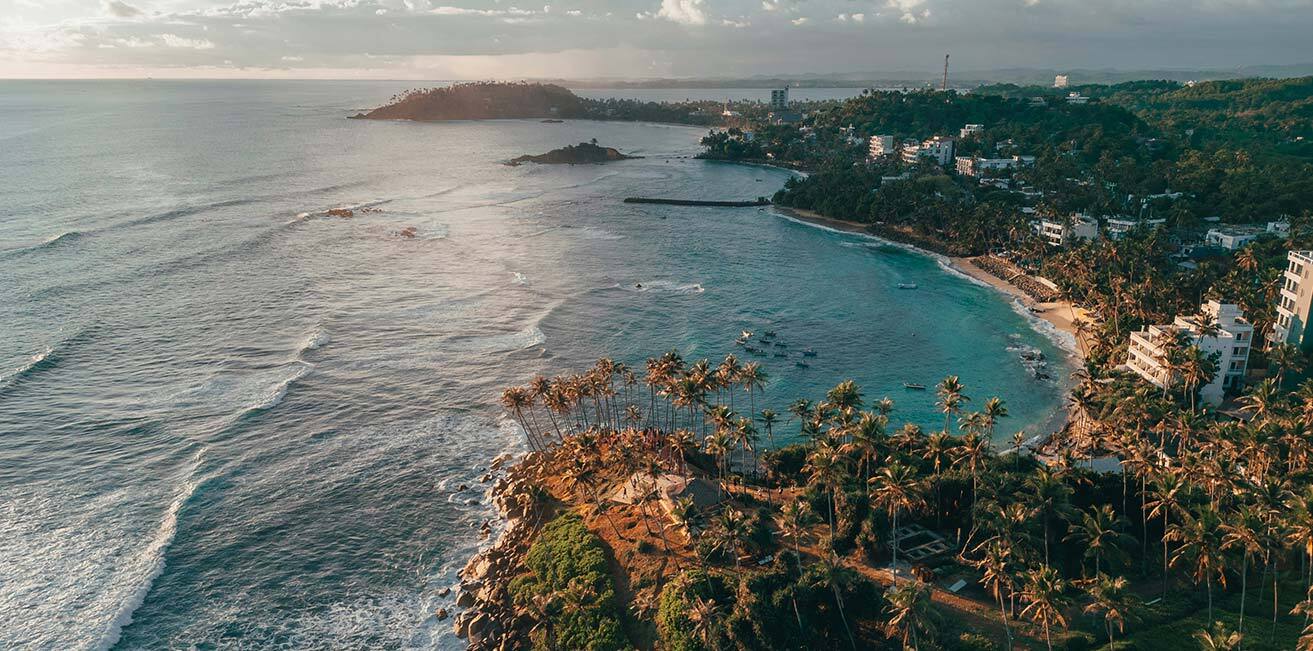
A question most travelers would like to find answers to — especially those visiting this tropical island nation for the first time.
Discover the best time to explore beaches, safaris, the misty hill country, and whale watching with this month-by-month weather and travel guide from Laksky Travels.
If you’re looking for a clear and practical guide to choosing the best time to visit Sri Lanka, you’re in the right place.
Sri Lanka is a dream destination — rich in nature, culture, and diversity — and one of those rare places you can visit all year round. Each region offers a different experience depending on the season, whether you’re here for beaches, wildlife, tea country, or festivals.
Read on to find out the best months to visit Sri Lanka based on your travel interests — from safari adventures to surfing and whale watching.
Sri Lanka’s weather is influenced by two main monsoon seasons, each shaping the island’s climate and travel experiences in unique ways. Because the rains alternate between coasts, there’s always a sunny part of the island waiting to be explored.
Average Temperatures: 25°C–30°C year-round
Humidity: 70–90% depending on region
Thanks to its compact size, you can experience multiple climates within a single trip — from misty mountains to sun-drenched beaches, all in just a few hours of travel.
Travel Tips and Essentials
Despite its small size, Sri Lanka offers a remarkable variety of landscapes — from palm-fringed beaches to misty tea country and ancient cities. Getting around is easy once you understand the basics.
What to Pack
Getting Around
If you’re visiting for the first time, booking through a trusted local DMC like Laksky Travels ensures reliable transport, safe drivers, and authentic experiences — with every detail handled for you.
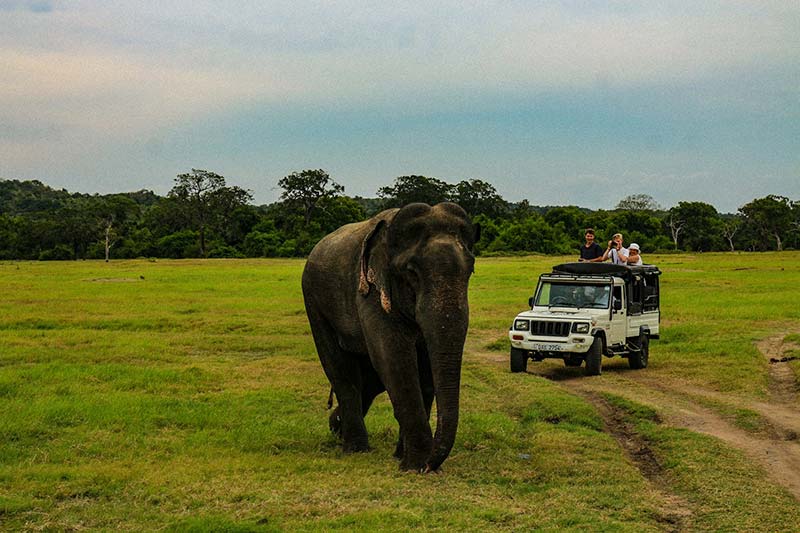
Ideal for: Wildlife encounters, photography, and outdoor safaris
Sri Lanka’s national parks come alive during the dry season from May to September, when the retreating rains leave open plains and shrinking waterholes — perfect conditions for spotting animals.
Among the most popular parks are Yala, Udawalawe, and Wilpattu, each offering distinct landscapes and wildlife. Early mornings and late afternoons are the best times for game drives, as animals are most active when temperatures are cooler.
Between July and October, hundreds of elephants gather around the ancient Minneriya Tank in the island’s north-central region. This 1,600-year-old reservoir becomes a magnet for herds seeking water and fresh grasslands as the lake recedes — creating one of Asia’s most spectacular wildlife spectacles.
It’s not uncommon to witness 200–300 elephants in a single view, with playful calves and matriarchs moving gracefully across the plains — a sight that stays etched in every visitor’s memory.
Park hours: 6:00 a.m. – 6:00 p.m.
Travel tip: Book safari permits in advance, especially during weekends and school holidays, as park entry numbers can be limited.
Best time:
South & West Coasts (Mirissa, Galle): November – April
East Coast (Trincomalee): March – August
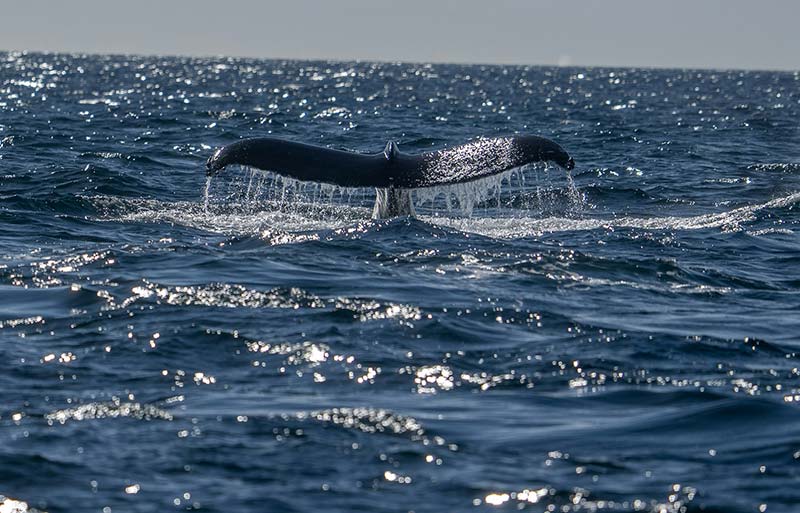
Sri Lanka lies directly along the migratory path of the world’s largest mammals — the Blue Whale and the Sperm Whale — making it one of the finest whale-watching destinations in Asia. Calm seas and warm currents during these months create ideal viewing conditions.
From Mirissa or Trincomalee, set out early in the morning for a 3- to 5-hour cruise. As your boat glides across the open waters, watch for pods of Spinner Dolphins, Bottlenose Dolphins, and occasionally the elusive Orca (Killer Whale).
Travel Tips
Whether you’re witnessing a whale’s graceful tail dive or the playful leaps of dolphins alongside your boat, these moments are often the highlight of a Sri Lankan coastal holiday.
Beach Escapes Around the Island
Sri Lanka’s coastline stretches for more than 1,300 kilometers, offering an incredible variety of beaches — from calm, golden bays to world-famous surf breaks. No matter when you visit, there’s always a stretch of sand basking in sunshine somewhere on the island.
| Region | Best Season | Highlights |
| South & West Coasts | Nov – Apr | Bentota, Unawatuna, Mirissa, Hikkaduwa — calm seas, golden sunsets, water sports |
| East Coast | May – Sep | Arugam Bay (surfing), Pasikudah & Trincomalee (swimming, snorkeling) |
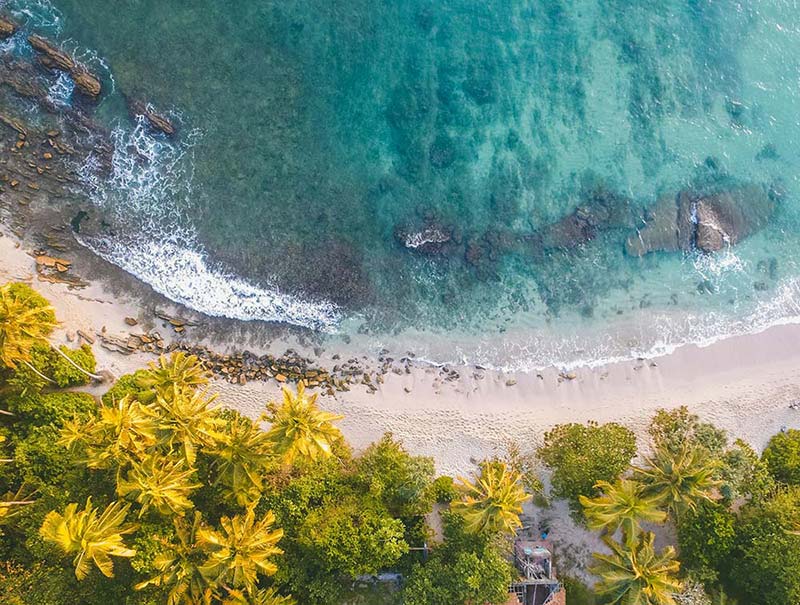
Beach Highlights
Wherever you go, remember to dress modestly near local villages and temples, as Sri Lanka’s coastal areas are shared by both travelers and local communities. Resort beaches, however, are more relaxed and casual.
If you’re seeking cool mountain air, lush tea plantations, and tranquil scenery, the Hill Country is best visited between February and April. During these months, the skies are clear, the days are bright, and the nights turn refreshingly cool — perfect for scenic walks and tea-tasting experiences.
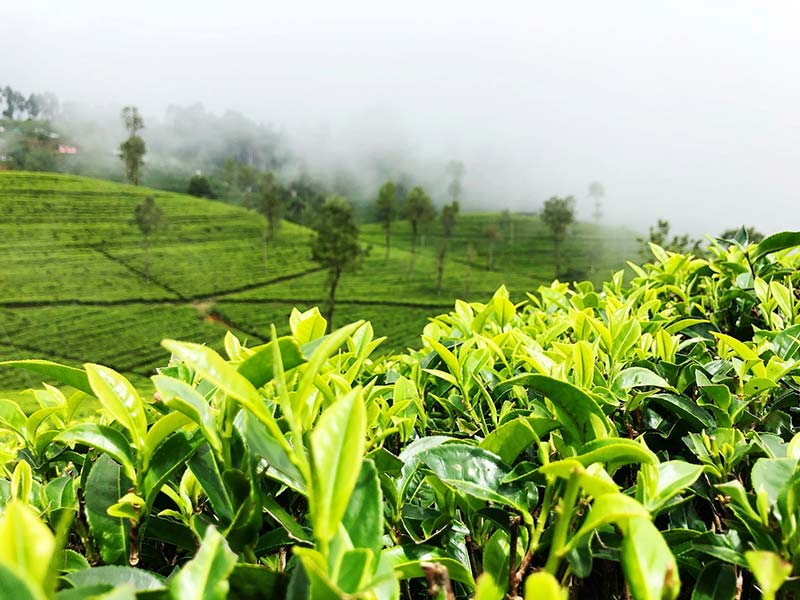
Highlights
Travel tip: Pack a light sweater or jacket — temperatures can drop sharply after sunset, especially in Nuwara Eliya.
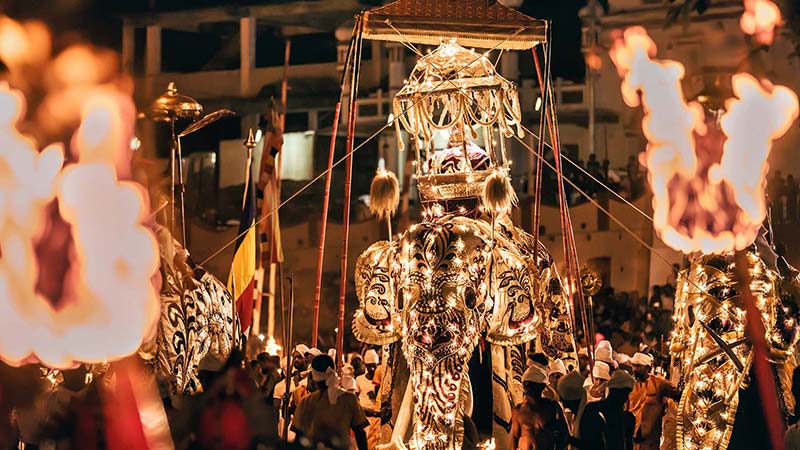
No matter when you visit, Sri Lanka’s vibrant cultural calendar ensures there’s always something to celebrate. Rooted in Buddhist, Hindu, and local traditions, these festivals bring color, music, and devotion to every corner of the island.
A nationwide celebration of the birth, enlightenment, and passing of Lord Buddha. Streets and homes glow with handcrafted lanterns, colorful decorations, and illuminated “pandols” (light displays), creating an atmosphere of peace and reflection.
Sri Lanka’s most famous pageant, held annually in Kandy to honor the Sacred Tooth Relic of the Buddha. The grand procession features ornately dressed elephants, traditional drummers, dancers, and torchbearers — a truly unforgettable sight.
A unique blend of Buddhist and Hindu devotion, this festival in southern Sri Lanka attracts thousands of pilgrims. The rituals, music, and fire-walking ceremonies create one of the country’s most spiritual and visually powerful events.
Known as the Festival of Lights, Deepavali is celebrated by the Hindu community with lamps, sweets, and family gatherings symbolizing the triumph of light over darkness and good over evil.
Travel tip: Pack a light sweater or jacket — temperatures can drop sharply after sunset, especially in Nuwara Eliya.
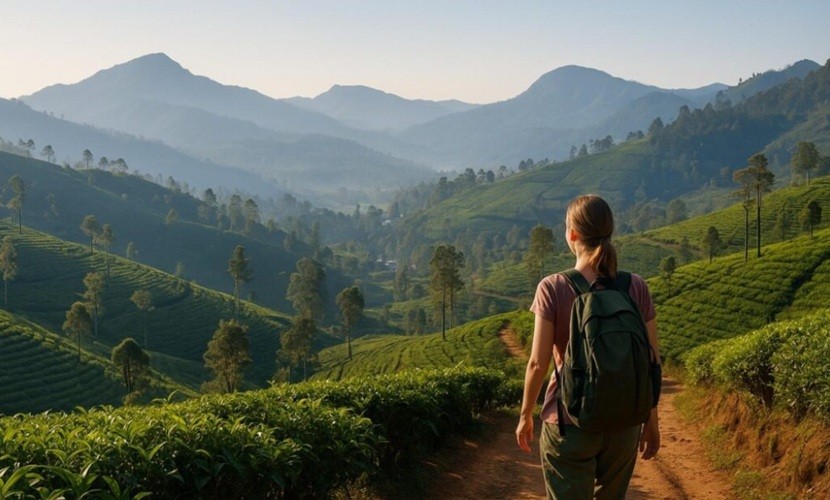
For those who love slow travel and the beauty of the great outdoors, the Pekoe Trail offers one of Sri Lanka’s most rewarding hiking experiences. Stretching over 300 kilometers through the island’s central highlands, this trail winds past lush tea plantations, misty forests, and quaint hill-country villages — revealing a side of Sri Lanka few travelers ever see.
The best time to trek the Pekoe Trail is between December and March, when the weather is dry, cool, and ideal for long-distance walking and photography. During the monsoon months (May to September), parts of the trail can be slippery and less accessible.
Highlights Along the Trail
Whether you choose a single stage or embark on a multi-day hike, the Pekoe Trail is a journey of quiet discovery — where every turn reveals waterfalls, wildflowers, and moments of pure serenity.
Plan Your Journey with Laksky Travels
At Laksky Travels, we believe the best time to visit Sri Lanka is anytime — as long as it’s tailored to what you want to experience. Whether you dream of golden beaches, thrilling safaris, misty mountain escapes, or cultural festivals, our expert team can design a personalized itinerary to suit every season.
With over a decade of experience as a trusted Destination Management Company (DMC), Laksky offers seamless travel planning, reliable transport, and handpicked stays that reveal the island’s true character — from its warm hospitality to its natural beauty.
Talk to us today to start planning your unforgettable Sri Lanka holiday.

13
November
2025
A Perfect Island Escape for Empty Nesters and Senior Travellers Smiling senior couple jogging along a sunny Sri Lankan beach,...
13
July
2020
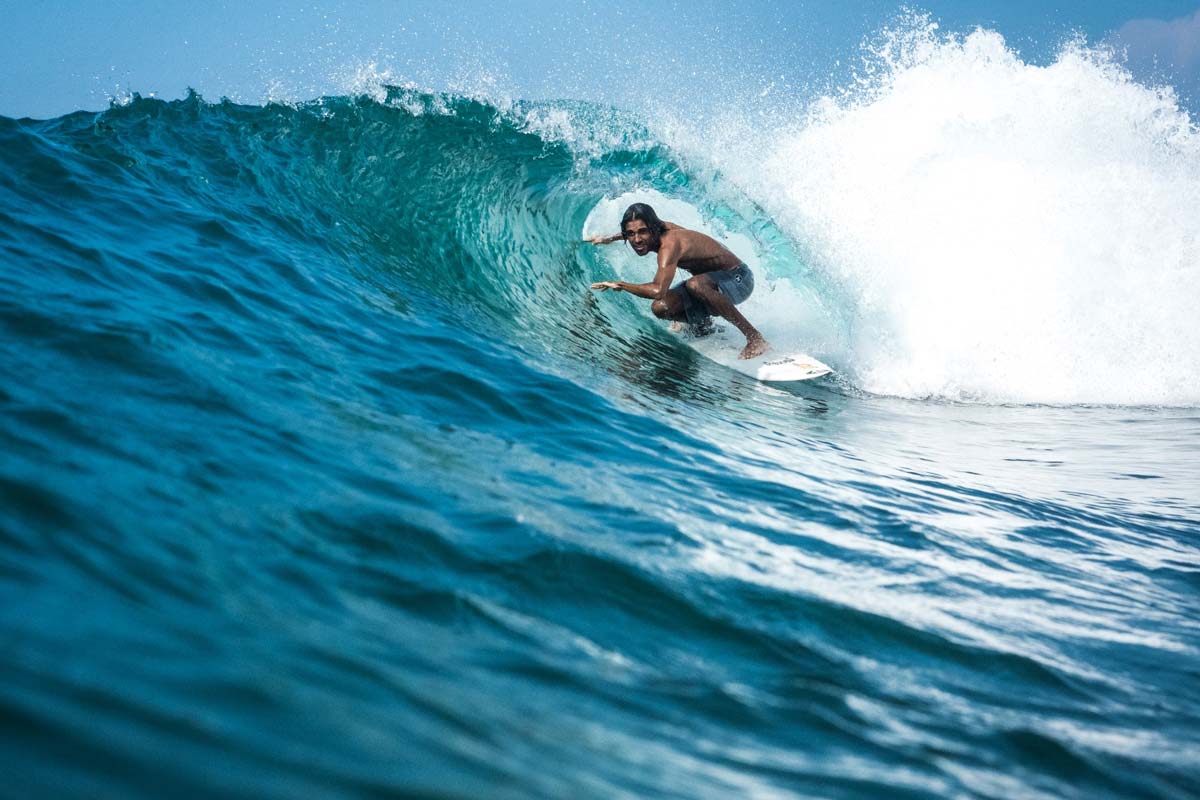
Sri Lanka is one of the most reliable surfing destinations in the Indian Ocean. Add to that the friendly locals,...
27
October
2025
Welcome to the Pearl of the Indian Ocean Planning your first trip to Sri Lanka? Discover how to spend one...
